

- admin
- February 26, 2024
- 0 Comments
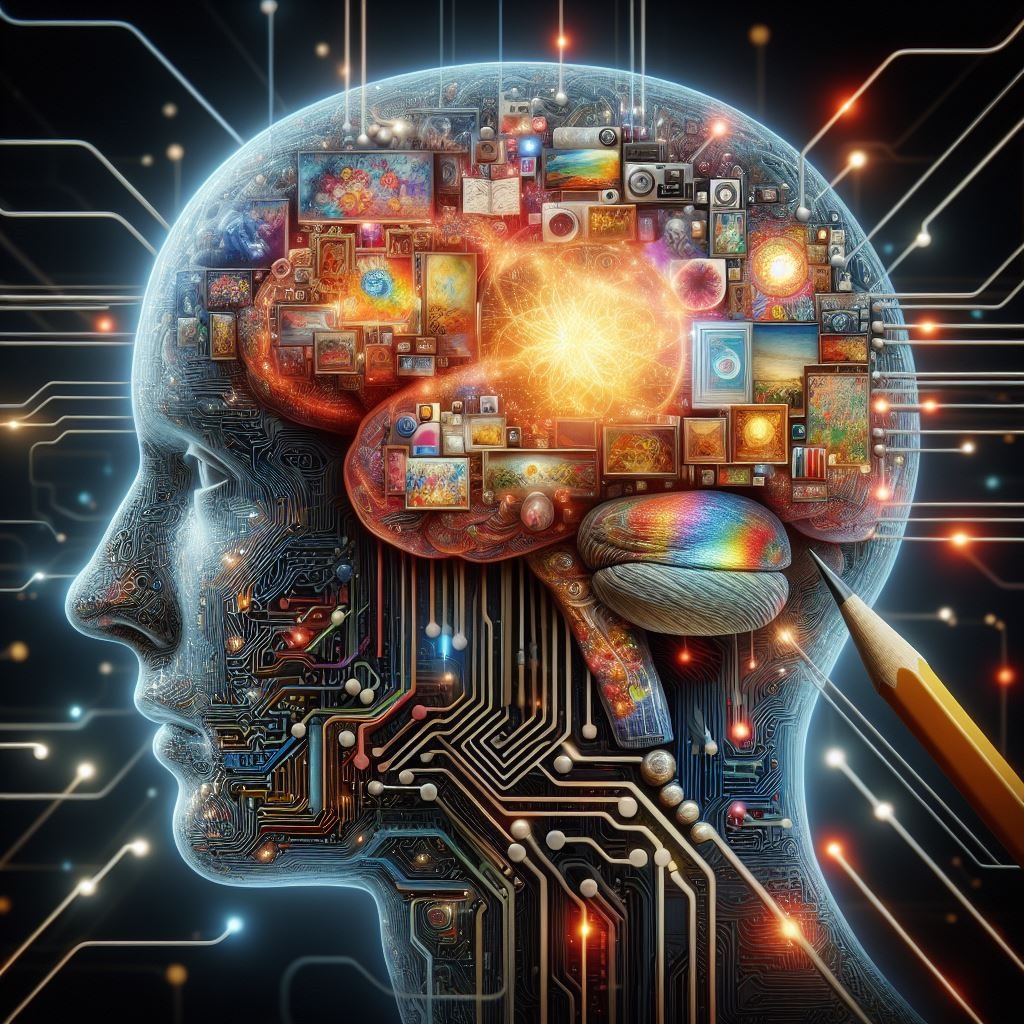
Artificial intelligence (AI) has emerged as a powerful tool for creativity, offering new opportunities for artists to explore and experiment with novel techniques and styles. For student artists, AI-generated artwork presents a unique avenue for expression and innovation, opening doors to new possibilities and pushing the boundaries of traditional artistic practice. In this article, we delve into the world of creating AI-generated artwork and the exciting opportunities it holds for student artists.
Understanding AI-Generated Artwork
AI-generated artwork refers to art created or influenced by artificial intelligence algorithms and technologies. These algorithms can analyze vast amounts of data, learn patterns and styles from existing artworks, and generate new pieces of art that mimic or reinterpret traditional artistic styles. From digital paintings and illustrations to generative art and interactive installations, AI-generated artwork spans a wide range of mediums and styles, blurring the lines between human and machine creativity.
Opportunities for Student Artists
1. Exploration of New Techniques and Styles
AI-powered tools and platforms enable student artists to explore and experiment with new techniques, styles, and mediums that may be beyond their traditional skill set. From digital painting and illustration to 3D modeling and animation, AI offers a wealth of creative possibilities for students to discover and incorporate into their artistic practice.
2. Collaboration with AI Systems
Student artists can collaborate with AI systems and algorithms to co-create artworks that blend human creativity with machine intelligence. By feeding input data, such as sketches, photographs, or text descriptions, into AI algorithms, students can generate new ideas, concepts, and visualizations that inspire and inform their artistic process.
3. Personalization and Customization
AI-driven tools and platforms enable student artists to personalize and customize their artworks to suit their individual preferences and artistic vision. Whether it’s adjusting colors, textures, or compositions, AI algorithms can assist students in fine-tuning their creations and achieving the desired aesthetic effects.
4. Exploration of Conceptual and Abstract Art
AI-generated artwork allows student artists to explore conceptual and abstract concepts in their work, pushing the boundaries of traditional representational art. From algorithmic art and procedural generation to abstract expressionism and surrealism, AI opens up new avenues for students to experiment with unconventional and avant-garde artistic approaches.
5. Integration of Technology and Art
AI-powered artwork often involves the integration of technology and art, blurring the lines between digital and traditional mediums. Student artists can leverage AI algorithms to create interactive installations, immersive experiences, and multimedia artworks that engage audiences in new and innovative ways, bridging the gap between art and technology.
Challenges and Considerations
While AI-generated artwork offers exciting opportunities for student artists, it also poses several challenges and considerations:
- Ethical and Legal Issues: Student artists must consider the ethical and legal implications of using AI algorithms and datasets in their artwork, including issues related to copyright, intellectual property rights, and data privacy.
- Technical Skills and Knowledge: Students may need to acquire technical skills and knowledge in AI programming, machine learning, and computer graphics to fully leverage AI tools and platforms in their artistic practice.
- Balance between Human and Machine Creativity: Finding the right balance between human creativity and machine-generated output is essential to maintain artistic integrity and authenticity in AI-generated artwork.
Conclusion
AI-generated artwork presents student artists with a wealth of opportunities to explore, experiment, and innovate in their artistic practice. From exploring new techniques and styles to collaborating with AI systems and integrating technology into their artworks, students can harness the power of AI to push the boundaries of creativity and create compelling and thought-provoking artworks that resonate with audiences worldwide. By embracing AI as a tool for artistic expression and exploration, student artists can unlock new avenues for self-discovery, growth, and innovation in the dynamic and evolving world of art.